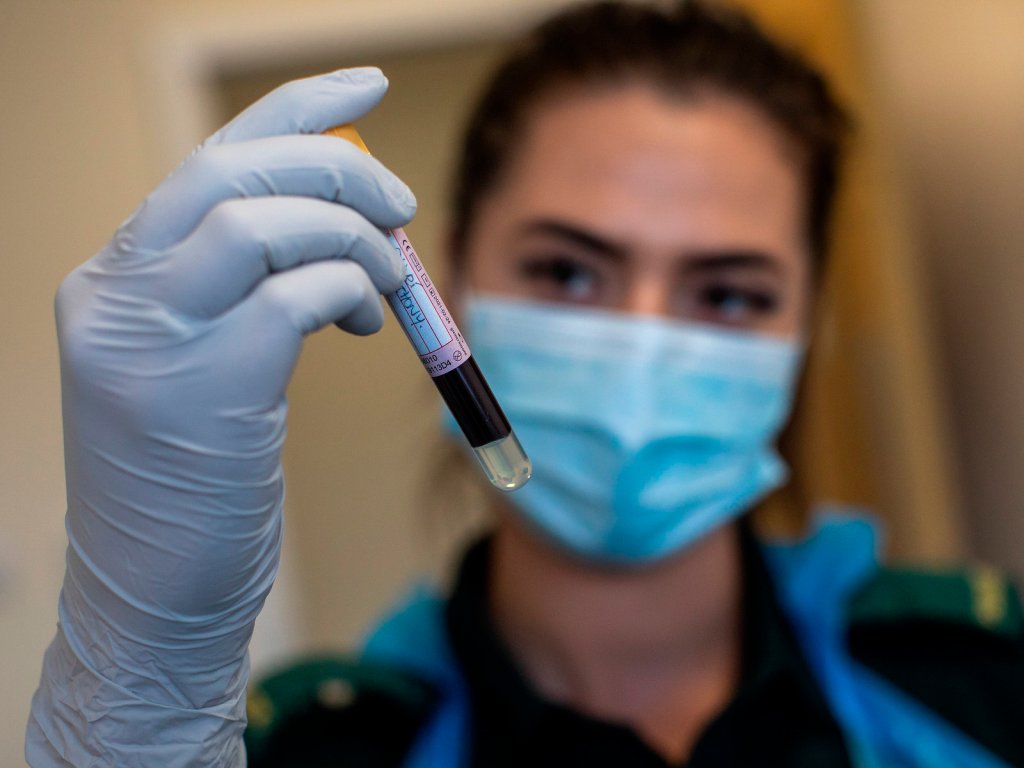
Three months ago, humanity was worried about everything but not about a virus called Covid-19, or as it is known socially the Coronavirus. The events that marked the global agenda 90 days ago were overshadowed after its appearance.
In one hand, the Americans were beholding the way the former vice-president, Joe Biden, the progressist senator, Bernie Sanders, and the senator for Massachusetts, Elizabeth Warren, from the same left-wing that his collague, were fighting to get the nomination and to face President Trump in the next elections late this year. In the other hand, the Europeans were dealing with the divorce between EU and Uk after more than three years of negotiations, and at the same time, they were looking for a new identity by the hand of the new president of the European Commission, Ursula Von der Leyen, to address and reduce the increasing nationalist movements that were threatening get Europe broken in many pieces. At the same time, Middle East was waiting for Netanyahu’s plan to annex the West Bank, waving the anger of all the Muslim countries that surround the Jewish State. And last, but not least, Xi Jinping pursued to bring down the Hong Kong autonomy, including the idea of “one country, two systems”, (which nowadays it was achieved due to the new law that permits to extradite people from the Special Administrative Region to Bejing to stand trial by any action that is against the Government), to take full control of China and to establish the communists, and moreover, to hide and minimize what it was going on in Wuhan.
Continue reading Laager 470