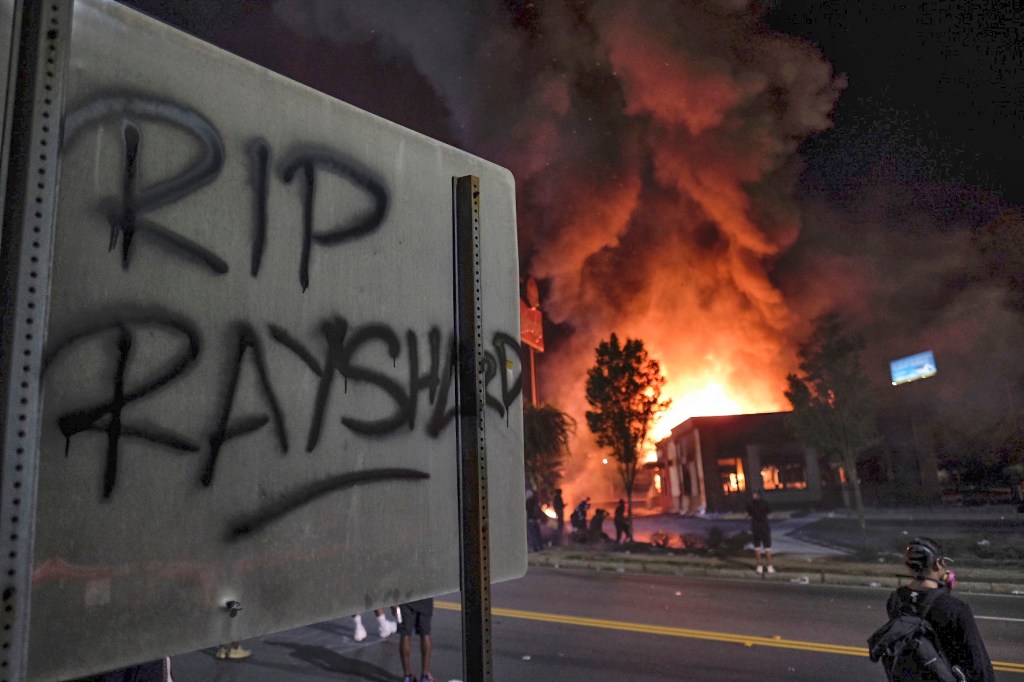
The Black Lives Matter movement (BLM) reinvigorated by the death of George Floyd on May 15, in Minneapolis, MN. Since the first days of the social movement reawakening, the rioters led the protest with violence and vandalism. Their acts were in retaliation to Floyd’s death, breaking, smashing doors and windows, covering with graffiti hundreds of boarded-up businesses, and setting fire to nearly 150 buildings. According to the Minnesota local’s newspaper Star Tribune, the riots caused “millions in property damage to more than 1,500 locations”. The damage in city buildings it claims, and it affirms the cities restaurants and retail stores were hit the hardest during the rioting.
Over the last two months, the BLM morphed into the political atmosphere, developing debates over the validity of looting and rioting and finding support in the democrat wing, which justifies the violence as a natural consequence of years of “oppression.”
With the nationwide acceptance of the way the protests were taking place, it facilized BLM to gain ground among states and gave them a free path to scale to another level. Consequently, they’ve been feeling more powerful to put on the table new demands such as the tearing down of historical statues, interfering the course of history, the slavery reparations, or the idea of defunding the police.
Continue reading Laager 470